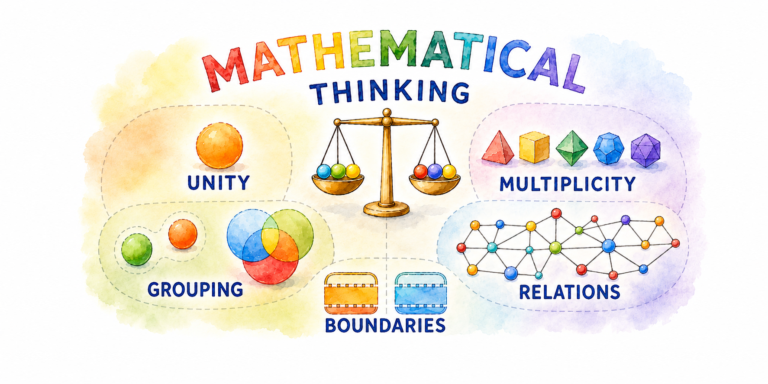
Mathematical Thinking

  • |

    Making Peace with Abstraction

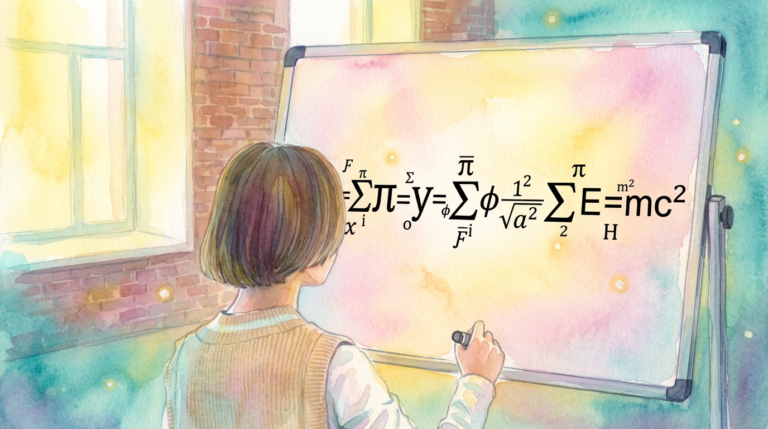
    Have you ever stood before a mathematical formula and looked at it with some apprehension, wondering what it is actually about?

    With this article, I hope to clear some of the mystery around the process of abstraction and show how it actually works.

    I hope you enjoy reading.

  • From Words to Symbols: How Abstraction Clarifies Rather Than Escapes Reality

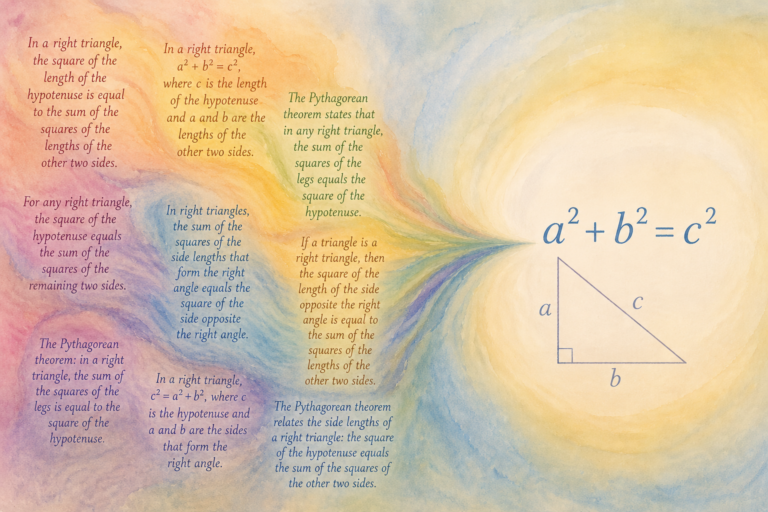
    Explore how mathematical thinking moves from experience and language into symbols, and why symbols become meaningful only when they hold ideas already understood.

  • How Meaning Is Formed with Words

    Language as the First Architecture of Thought. Clear thinking begins long before a conclusion ever appears on the horizon. It begins in the earliest stirring of awareness, at the moment when something felt, seen or sensed starts to move toward language. This is the alchemy of thought: experience becoming form, fluid impressions taking on shape…

  • |

    Pathways That Formed Our Way of Knowing

    This article explores the long pathways that formed mathematical thinking, from the ancient recognition of order in the world to the later development of symbol, abstraction, logic and proof. Mathematical thought did not begin as a lifeless school subject. It grew from the body’s encounter with rhythm, pattern, movement, language and form. Across cultures and ages, human beings slowly learned to recognise structure, refine meaning, discipline thought and question the limits of certainty. Seen in this light, mathematics becomes part of a much older story: the story of how the human mind learned to perceive the world with greater clarity.


  • |

    Before Insight: The Four Intelligences and the Courage to Not Know

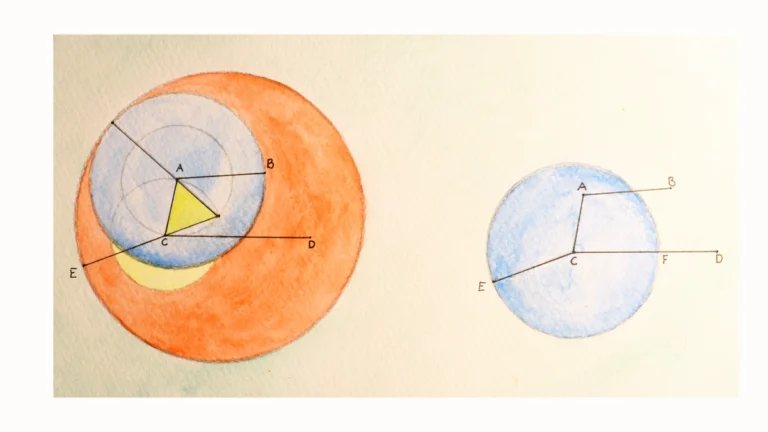
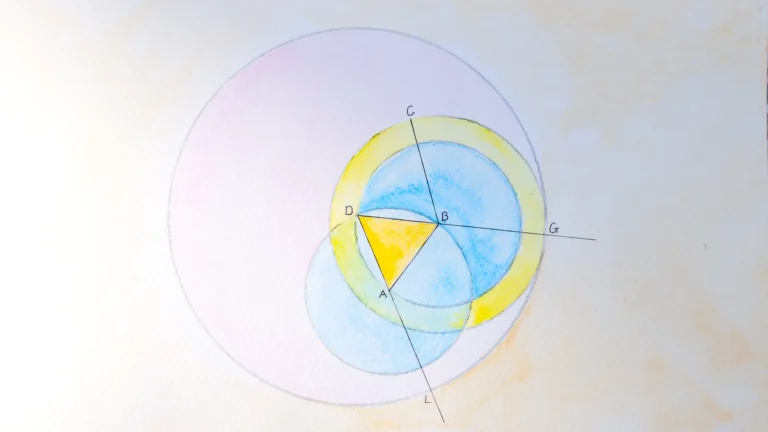
    This article explores the passage from not knowing to knowing and asks what happens when mathematics is restored to a more human rhythm. Genuine understanding does not begin with the quick answer. It begins in the uncomfortable threshold of uncertainty, where the body, emotions, intuition and intellect each have a role to play. Through the example of the triangle angle-sum theorem, the article shows how mathematical insight can move from embodied experience to recognition, explanation and proof. When held in this way, mathematics becomes less a test of worth and more a language for meeting pattern, relationship and the deeper coherence of the world.